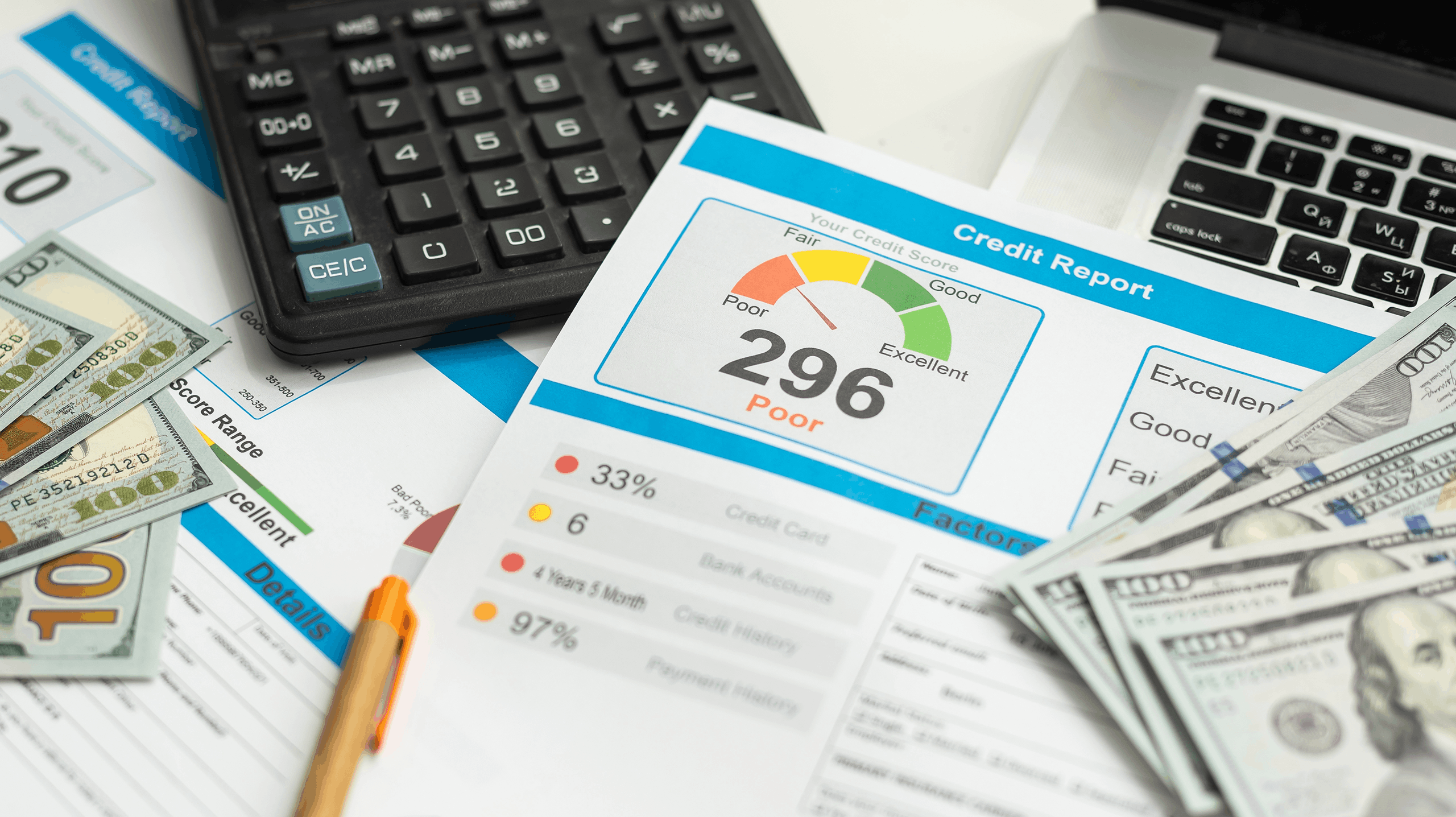
Past missed payments, high debt, or other credit problems can make a mortgage application more challenging, but your credit score isn’t the only part of your financial profile that may be reviewed. Depending on the lender, income, existing debts, down payment or equity, property value, and other circumstances can also affect the decision.
If you’re preparing to apply, the useful question is not simply how to fix your credit as quickly as possible. It’s where your application is weakest today and what you can realistically strengthen before a lender assesses it.
What Can Improve Mortgage Approval With Bad Credit?
Improving your chances of mortgage approval with bad credit usually requires looking at several parts of your finances together. Lenders can consider your credit history alongside your income, debt obligations, assets, available down payment, and other application details.
Reviewing those areas before applying can help you decide where your efforts may have the most impact. No single improvement guarantees approval, but a better-prepared overall application can give a lender a clearer picture of your circumstances.
Review Your Credit Report Before Applying
Start by checking your credit reports so you know what lenders may see. Look for unfamiliar accounts, incorrect balances, inaccurate payment information, or other errors, and use the appropriate dispute process if something is wrong.
Your report can also reveal issues that genuinely need attention, such as missed payments, high balances, or frequent recent credit applications. Checking your own report is different from applying for new credit and does not affect your TransUnion credit score.
Build a Consistent Record of On-Time Payments
Payment history is an important part of a credit profile. Paying credit obligations by their due dates and dealing with overdue accounts where possible can support your efforts to improve your credit score over time.
Simple habits such as reminders or automatic payments can help, provided you keep enough money in the account to cover them. Rebuilding credit is usually an ongoing process, not something that can be completed immediately before a mortgage application.
Reduce Outstanding Debt and Credit Utilization
High balances can affect both your credit profile and the monthly obligations a lender considers. If your finances allow, reducing revolving balances and other debts before applying may strengthen your position.
Credit utilization refers to how much of your available revolving credit you’re currently using. Lower utilization can support a healthier credit profile, but don’t drain emergency savings or create another financial problem solely to reduce a balance.
Strengthen Your Down Payment or Available Equity
A larger down payment can reduce the amount you need to finance and may strengthen some applications. When we review bad credit mortgage options, available equity or down payment is one of the factors that can help shape which financing solutions may be available.
For homeowners refinancing, available home equity may similarly affect which options can be considered. Requirements still vary by lender, property, mortgage type, and borrower.
Show Stable and Verifiable Income
Lenders need to understand whether your income can support the proposed mortgage alongside your other financial obligations. Organizing income documentation before applying can make that assessment easier.
The required records may differ for salaried, hourly, commission-based, or self-employed borrowers. Income stability is another factor we consider when reviewing mortgage options for borrowers with imperfect credit.
Avoid Taking On Unnecessary New Credit Before Applying
A new car loan, credit card, or other borrowing can change the financial picture a mortgage lender sees. Credit applications can also generate inquiries that appear on your credit file and may influence your score.
That doesn’t mean you shouldn’t compare mortgage options. Mortgage shopping is different from repeatedly applying for unrelated new credit, and many scoring models account for multiple home-loan inquiries made while rate shopping.
Prepare Complete Financial Documentation
A lender or broker may request identification, proof of employment or income, information about existing debts, and evidence showing where your down payment will come from. More complex income situations may require additional records.
Accuracy matters. Providing complete, consistent information about your income, assets, and obligations makes the application easier to assess and reduces the chance that undisclosed information creates problems later in underwriting.
Explore Lenders That Consider More Than Your Credit Score
A decline from one lender doesn’t necessarily mean every lender will reach the same decision. Alternative and private lenders can use different criteria, and some bad-credit mortgage options consider property value, income, and your broader financial picture alongside credit history.
We can help you explore different lender types and financing options based on your circumstances. Approval alone shouldn’t determine whether an option makes sense, though. Compare the interest rate, applicable fees, mortgage term, repayment expectations, and your longer-term plan before committing.
Should You Wait and Improve Your Credit Before Getting a Mortgage?
Waiting can make sense if you have time to reduce debt, establish a stronger payment history, or improve other parts of your application. Someone with a more urgent financing need may have reasons to explore available options sooner.
Consider the severity of your credit issues, debt load, income stability, available down payment or equity, current lender options, and the cost of delaying. In some situations, shorter-term financing may provide a bridge while you work toward stronger future qualification, but the costs and exit strategy need to make sense for your circumstances.
What to Do After a Mortgage Application Is Declined
Before sending the same application to several more lenders, find out why it was declined. The issue may involve your credit history, debt, income documentation, down payment, property, or simply the requirements of that particular lender.
Once you know the problem, you can determine what can realistically change and whether another lender type may be a better fit. At Echo Mortgage, we review the broader financial picture and can explore alternative, private, or shorter-term options where appropriate.
Strengthen Your Mortgage Approval With Bad Credit
Improving mortgage approval with bad credit involves more than chasing a particular score. Managing credit responsibly, reducing avoidable debt, documenting income clearly, preparing your down payment or equity, and understanding your lender options can all contribute to a stronger application.
We help borrowers explore declined mortgage and bad credit solutions based on their individual circumstances and longer-term goals. Our aim is to understand the full financing picture before deciding which path makes sense.
Reach out to Echo Mortgage today at 1-844-466-7449 or click here to get in touch online.
Frequently Asked Questions
Can I Get Approved for a Mortgage With Bad Credit?
Poor credit can make qualifying more difficult, but it isn’t necessarily the only factor a lender considers. Income, existing debts, down payment or equity, property information, and the broader financial picture may also influence the available options.
Requirements differ among lenders, so there isn’t one credit score that guarantees approval.
How Can I Improve My Credit Score Before Applying for a Mortgage?
Focus on habits that strengthen your credit profile over time: make payments by their due dates, manage outstanding balances, review your credit reports for errors, and be deliberate about unnecessary new credit applications. Payment history, balances, utilization, and recent credit activity can all affect a credit score.
Credit improvement generally takes consistent financial management rather than a quick fix.
Does a Larger Down Payment Help If I Have Bad Credit?
A larger down payment may strengthen an application because it reduces the amount you need to borrow. When we review bad-credit mortgage options, down payment or available equity is one factor that can affect which solutions may be available.
It doesn’t erase your credit history or guarantee approval. Consider how much cash you can commit without weakening the rest of your financial position.
Will a Bad Credit Mortgage Have a Higher Interest Rate?
A weaker credit profile can affect the financing options and pricing available to you. Bad-credit financing can involve higher rates than traditional mortgage options.
Compare more than the rate. Fees, mortgage terms, total borrowing costs, and the plan for improving your longer-term financial position should also factor into the decision.
Can I Apply Again After My Mortgage Has Been Declined?
Yes, another application may be possible, but first determine why the original lender declined it. Credit problems, debt levels, income documentation, down payment, property considerations, or lender-specific criteria could all be relevant.
Addressing the actual problem before applying again gives you a more strategic starting point than repeatedly submitting essentially the same application.